Broussonetia papyrifera Seeds (Paper Mulberry)
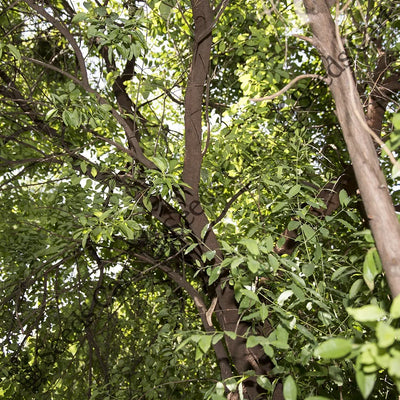
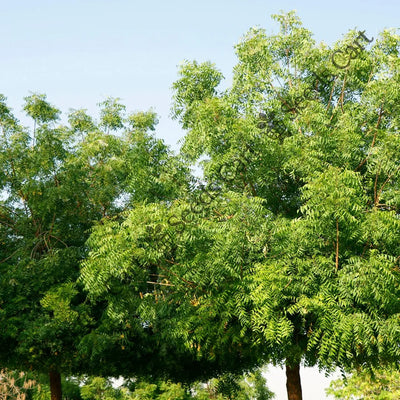
Broussonetia papyrifera (Paper Mulberry, Dak, Halibun, Kalivon, Kozo, and Tapacloth tree) is a ornamental tree species sourced from Indian natural stands, suited for landscaping, avenue planting, and ornamental use.
| Botanical Synonyms | Papyrius papyrifera (L.) Kuntze,Morus papyrifera |
| Common Names | Paper Mulberry, Dak, Halibun, Kalivon, Kozo, and Tapacloth tree |
| Plant Form | Ornamental Tree |
| Seed Collection | Sep.-Nov. |
| Seed Longevity | 1 year |
| Seeds per Kg (approx.) | Approx 5000 |
| Germination Rate | 50-80% |
| Seed Treatment | Not Required. |
Growing & Establishment
Tree seeds vary widely in their germination requirements. Many Indian hardwood species benefit from pre-sowing treatment — soaking for 12–24 hours, mechanical scarification, or brief hot water treatment to break seed coat dormancy. Polybag nursery raising is the standard method for most plantation species in India. Field transplanting is best timed to coincide with the onset of the monsoon for maximum survival.
Use in India
India's National Afforestation Programme, state forest departments, and private agroforestry initiatives use millions of tree seedlings annually for reforestation, social forestry, and watershed restoration. Native tree species are preferred for ecological projects, carbon sequestration, and farm forestry under national agroforestry schemes.
SeedsCart has supplied tree seeds to nurseries, forest departments, NGOs, plantation companies, and agroforestry projects across India for over 30 years. Seeds are collected from certified natural stands, germination-tested before dispatch, and available in bulk quantities for institutional and commercial buyers. We ship internationally.
Product Specifications
| Name | Broussonetia papyrifera Seeds (Paper Mulberry) |
|---|---|
| Category | Tree Seeds |
| Country of Origin | India |
| Net Quantity | 100g / 250g / 500g / 1kg (as per variant selected) |
| Marketed by | Ebbora Agritech Pvt. Ltd., 47 Panditwari, P.O. Premnagar, Dehradun - 248001, Uttarakhand |
| Manufactured by | Ebbora Agritech Pvt. Ltd., 47 Panditwari, P.O. Premnagar, Dehradun - 248001, Uttarakhand |
| MRP | 599.00 (Incl. of all taxes) |
| Customer Support | Email: support@seedscart.in Call: '+91-7455025717 |
Spreads readily via both seed and root suckers, and is considered invasive or a serious weed in parts of its introduced range, including parts of the southeastern United States. Check local regulations before planting outside a controlled setting.
Germination Guide
Pre-Treatment
Pre-Germination Prep
Sowing
Post-Care & Growing On
Tips
- This species spreads readily via seed and root suckers, and is considered invasive in parts of its introduced range — worth checking local context before planting freely Valued historically for bark fiber used in traditional paper and tapa cloth making, alongside its use as a fast shade tree Tolerates poor, disturbed soils well, part of why it establishes so readily wherever it's introduced